
Neal Wilson ✅ @neal@social.typica.us
- Software
- https://typica.us
- Send Money
- https://typica.us/payment.html
Admin
Author of Typica software for coffee roasters.
Joined Apr 2018
Finally got around to buying a new vacuum cleaner to use at home. The one I already had was some not good thing that I don't even know where it came from but it took a lot of effort to pull the cat fur out of the carpet.
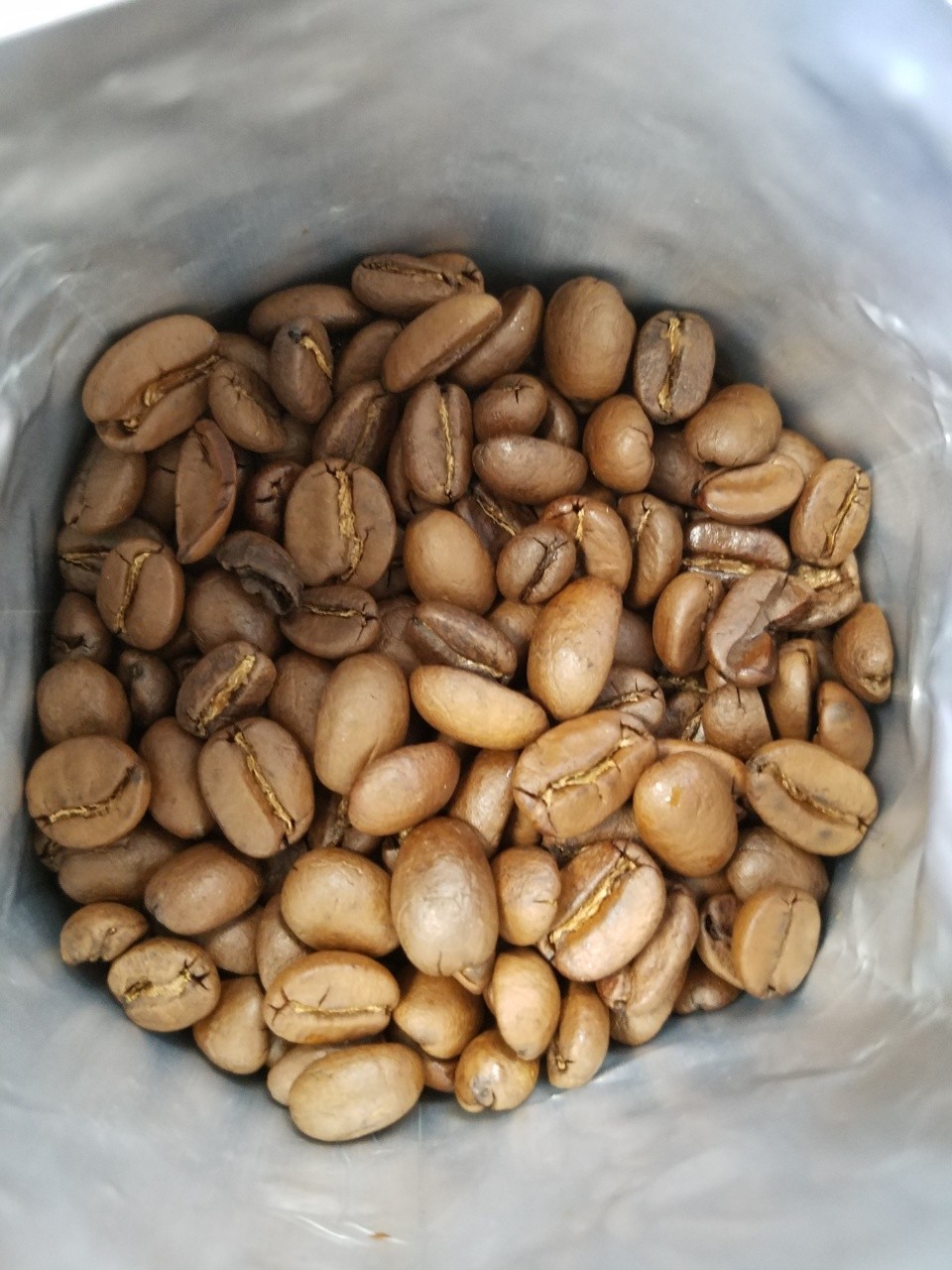
Okay, it's a nice coffee. Sweet, clean. It's a little lacking in body and personally I'd probably go a little darker, but that's just my own personal preference. I'm also sharing this with my staff.
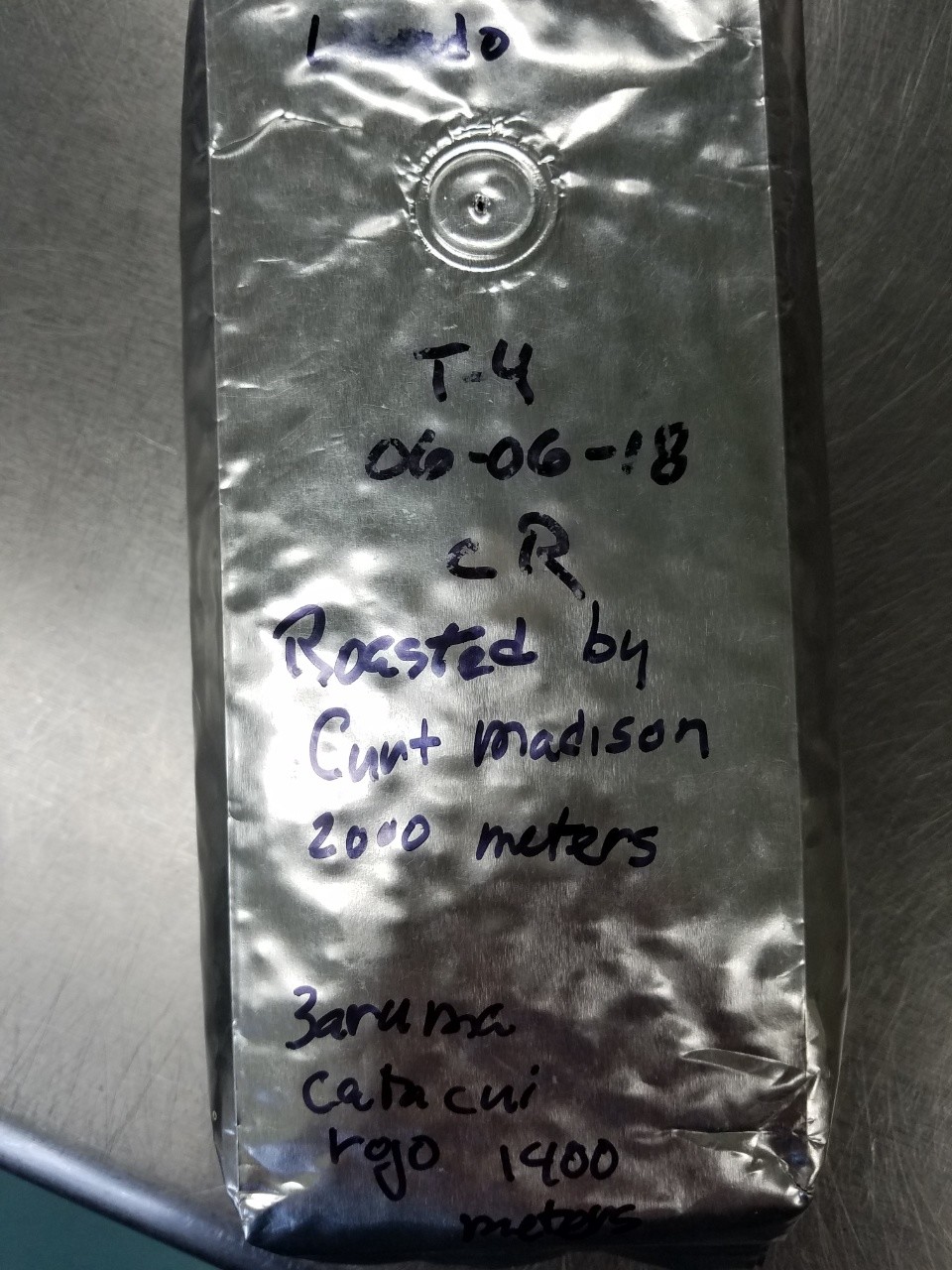
Got a bag of coffee in the mail from someone on the Typica release mailing list. Brewing a pot to enjoy now.
Can't make a fool of yourself on twitter if you're not on twitter. (insert meme photo) send toot.
Kind of want to replay Breath of Fire: Dragon Quarter (the one that encourages you to be strategic in planning when you lose).
Time to play some more Future Tone. My cat is a big fan of the Project Diva games.
The cat was upset that I didn't want her to play with some cables, but then I put her on the couch in front of a fan and she seems to be content to let that blow on her belly.
Last night I was going to edit a new video but instead just ended up moving a couple hundred GB off internal storage. Maybe I'll do better at that tonight.
USPS says they delivered a package for me this morning but that doesn't seem to be true. 
And birdsite account is now also gone.
These just keep getting better: https://www.youtube.com/watch?v=k1zdS6Nhifw
@cwebber@octodon.social Garbage in, garbage out.
I seem to be deleting accounts elsewhere. LinkedIn and Facebook now gone.
Cat sat down in front of the fridge while I was making dinner and did not want to move out of the way while I put things back.
Back when Macs were still shipping with MC68LC040 I made a little dungeon crawl game. I should see if I can find that some time and maybe make it playable on current machines.
@neal@video.typica.us As far as I know, Diedrich no longer offers the DATAQ hardware as a logging option. That was always a weird design choice made to keep the cost of the option down and was especially painful for temperature measurements where the combination of low resolution ADC, mis-matched range for the signal conditioner feeding that compared with what values could be reasonably expected, and poor channel isolation made it difficult to get this working as well as it does in Typica.
Neal Wilson ✅
boosted

For those of you who watch what you eat, here's the final word on nutrition and health. It's a relief to know the truth after all those conflicting nutritional studies.
1. The Japanese eat very little fat and suffer fewer heart attacks than Brits.
2. The Mexicans eat a lot of fat and suffer fewer heart attacks than Brits.
3. The Chinese drink very little red wine and suffer fewer heart attacks than Brits.
4. The Italians drink a lot of red wine and suffer fewer heart attacks than Brits.
5. The Germans drink a lot of beer and eat lots of sausages and fats and suffer fewer heart attacks than Brits.
CONCLUSION: Eat and drink what you like. Speaking English is apparently what kills you
1. The Japanese eat very little fat and suffer fewer heart attacks than Brits.
2. The Mexicans eat a lot of fat and suffer fewer heart attacks than Brits.
3. The Chinese drink very little red wine and suffer fewer heart attacks than Brits.
4. The Italians drink a lot of red wine and suffer fewer heart attacks than Brits.
5. The Germans drink a lot of beer and eat lots of sausages and fats and suffer fewer heart attacks than Brits.
CONCLUSION: Eat and drink what you like. Speaking English is apparently what kills you
Since doing this video I've made some changes that make this workable even with pretty awful quality hardware and even better with low noise/high resolution data acquisition devices.
It's nice that markdown links to related videos in the description seems to work. Rate of change calculations are the sort of thing where how you choose to do that calculation can greatly impact usability of the feature. Most programs do a horrible job at it and I don't understand why they don't take advantage of the fact that Typica is released under the MIT license and just steal/adapt my implementation.
https://video.typica.us/videos/watch/8459de3b-2592-4040-8a9f-68df5af397cb
Hardware simulation is sort of a crazy feature to have, but less crazy than the motivation for the feature that's a side effect of: the ability to write communications protocol handlers for devices that look like serial ports in Javascript. It's always better to just write a new hardware support class in C++ and upstream the patch, but as awful as it sounds, script devices can work surprisingly well.
- Software
- https://typica.us
- Send Money
- https://typica.us/payment.html
Admin
Author of Typica software for coffee roasters.
Joined Apr 2018